


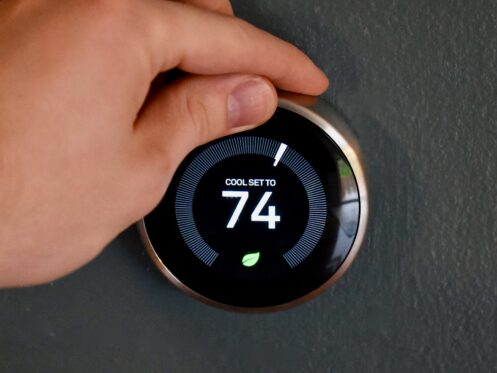
Montana weather has a way of changing its mind from one day to the next. A cold morning can turn into a mild afternoon, and that back-and-forth puts your heating and cooling system to work even when the season feels calm. A smart thermostat adds a layer of control that goes beyond simple up and down settings by learning how your home responds to those shifts and adjusting in small, steady steps. At Comfort Heating & Air Conditioning, LLC, in Billings, MT, we help homeowners make sense of how these systems fit into real daily routines instead of treating them like just another gadget.
How Smart Thermostats Manage Temperature Changes
Every thermostat, smart or standard, has the same basic job. It monitors indoor temperature and turns your heating or cooling system on or off to reach the setting you choose. With a smart thermostat, you can see more information and adjust settings more easily. Instead of walking to the wall each time the weather shifts, you can make changes from a phone or tablet and check how often your system is running.
In a place where mornings and afternoons can feel like different seasons, that visibility helps you respond faster. You can lower the setting while you are away, raise it before you return, and avoid long run times that happen when the system has to recover from large temperature swings. The goal is not to replace the thermostat’s role, but to give you more control over how the system reaches and holds the temperature you want.
Using Schedules and Usage Data to Reduce Waste
Most smart thermostats offer flexible scheduling that goes beyond fixed time blocks. Instead of setting the same pattern for every day, you can build different schedules for weekdays, weekends, or periods when the house is empty for long stretches. This helps reduce heating and cooling during hours when no one is home, which can lower overall system run time without sacrificing comfort.
Many models also provide basic usage reports that show how often your system runs and during which parts of the day demand is highest. That information does not change how the thermostat measures temperature, but it gives you a clearer picture of your home’s habits. If you notice long run times in the early morning or late evening, you can adjust settings slightly to smooth out those peaks and keep the system from working harder than necessary.
Remote Access and Daily Convenience
One of the most practical features of a smart thermostat is remote access. If you forget to change the setting before leaving town or want the house warm when you arrive home, you can make that adjustment from anywhere with an internet connection. This does not make the system smarter on its own, but it makes it easier for you to manage comfort without being physically present.
Remote access also helps during sudden weather changes. A fast-moving cold front or an unexpected warm spell can catch you off guard. Being able to adjust settings on the go helps avoid long recovery periods that happen when the system has been set too low or too high for the conditions.
System Compatibility and Electrical Requirements
Not every heating and cooling system works with every smart thermostat. Some models require a dedicated power wire, often called a common wire, to operate their screen and wireless features. Older systems may not have that wiring in place, which means an upgrade or modification is needed before installation.
Compatibility also matters when it comes to how the thermostat communicates with the equipment. Multi-stage furnaces, heat pumps, and systems with auxiliary heat often need specific settings or models designed to handle those functions. Choosing the right thermostat for your setup helps avoid issues like improper cycling, unresponsive controls, or features that cannot be used because the system does not support them.
What Smart Thermostats Do Not Replace
A smart thermostat does not change the condition of your HVAC equipment. It cannot clean a dirty filter, fix airflow problems, or repair worn components. If a system struggles to maintain temperature, the root cause often lies in the equipment or ductwork rather than the wall-mounted control.
That’s why pairing a thermostat upgrade with a system check can make a difference. When airflow, wiring, and equipment performance are in good shape, the thermostat can do its job more effectively. The added features then become a way to fine-tune comfort instead of a way to mask underlying issues.
Switching With Confidence
Upgrading to a smart thermostat is not only about adding a screen to the wall. It is about how your home manages heat, airflow, and comfort across long winters and short, shifting summers. Along with thermostat installation, services like system inspections, wiring checks, and HVAC performance testing help confirm that your equipment responds properly to new controls. At Comfort Heating & Air Conditioning, LLC, we work with you to match your thermostat choice to your heating and cooling setup so your home stays comfortable in every season. Schedule a service visit today and take the next step toward smarter temperature control.

 Today!